
IMPLANTS AND SURGERY
All-on-6 Implant Treatment
A fixed full-arch prosthesis on six implants
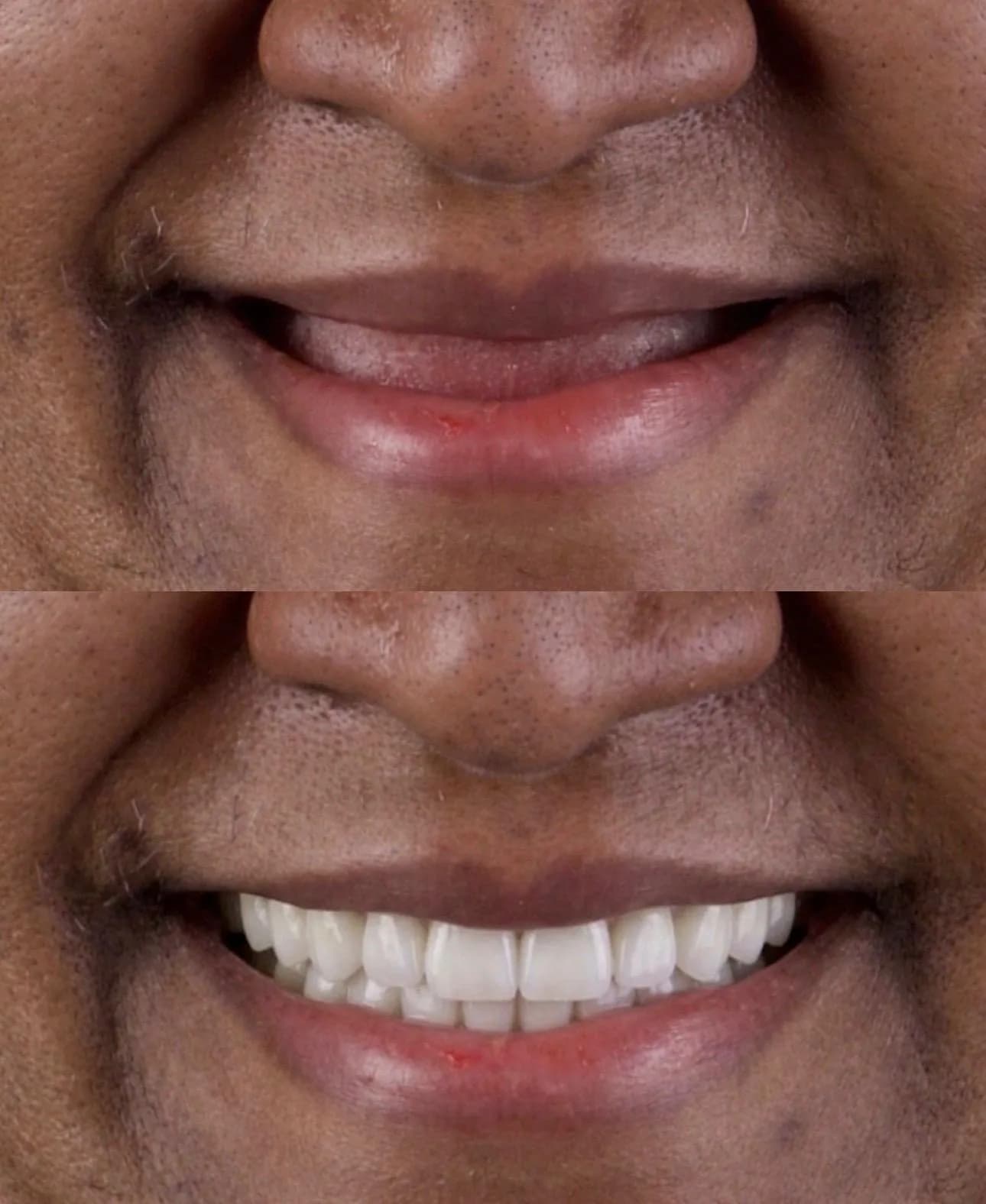
IN SHORT
All-on-6 is a treatment method in which all the teeth in a single jaw are completed with a prosthesis fixed onto six implants. Because two more implants are used than in All-on-4, the chewing force is distributed over a wider area and the load on each implant is reduced. It may be preferred in patients with sufficient bone volume, in wide jaws and in people with a teeth-clenching habit.
What is All-on-6 treatment?
When all the teeth in a jaw are lost, a fixed prosthesis carrying all the teeth can be screwed onto six implants. This method is called All-on-6.
The implants are distributed along the jaw arch. The implants placed in the front region are usually upright, while those in the back region are positioned upright or at an angle according to the anatomical structures. Six support points allow the prosthesis to rest on a wider part of the jaw arch.
Why six implants instead of four?
This is the real question that needs to be asked in order to understand All-on-6. The difference between six implants and four is not the number of implants itself, but its effect on the chewing force.
The force generated during chewing is transferred to the implants through the prosthesis. As the number of support points increases, the load on each implant decreases. This becomes important particularly in three situations:
- In patients with a high chewing force. In people with a teeth-clenching or grinding habit (bruxism), the load on the implants and the prosthesis increases markedly.
- In patients with a wide jaw structure. As the jaw arch lengthens, the unsupported part of the prosthesis (the extension) lengthens. Additional implants shorten this extension.
- In patients with natural teeth or an implant-supported fixed prosthesis in the opposing jaw. If the opposing jaw has a removable prosthesis, the force generated is lower; if it has natural teeth, the force is higher.
Another result of six implants is that, if one of the implants is lost, the remaining implants can provide temporary support. This does not mean that the treatment will continue uninterrupted; however, in a system with four implants, the loss of one implant affects the support of the prosthesis more seriously.
Nevertheless, more implants do not always mean a better result. If there is no bone in which to place an implant, it is not possible to increase the number of implants. In this case either a bone graft is required or a different treatment plan is considered.
Who can it be applied to?
All-on-6 is a method that may be considered in the following situations:
If all the teeth in a jaw have been lost or all of them need to be extracted
If there is enough bone volume and density along the jaw arch to carry six implants
If there is a teeth-clenching or grinding habit
If there are natural teeth or an implant-supported fixed prosthesis in the opposing jaw
If the jaw structure is wide
Suitability is determined following an intraoral examination and an X-ray assessment of the bone condition and the anatomical structures.
Who is it not suitable for? In which cases is further assessment needed?
The bone volume required for All-on-6 to be applied is greater than that for All-on-4. For this reason, six implants cannot be placed in some patients.
Absence of sufficient bone volume in the back region. In this case a bone graft may be required, or a plan using fewer implants with angled placement is considered.
Uncontrolled diabetes. Surgery is not planned before blood sugar is regulated.
Heavy smoking. It increases the risk of implant loss.
Use of bisphosphonate-derivative medicine or a history of radiotherapy to the jaw region.
Untreated gum disease or active infection in the mouth.
Young patients whose jaw development is not complete.
If the examination indicates that All-on-6 is not suitable, this is stated clearly and any alternative options are explained.
The treatment process step by step
Examination and imaging
The bone condition and anatomical structures are assessed with an X-ray; the regions where the six implants can be placed are determined.
Planning
The position, angle and depth of the implants are planned.
Surgery
The procedure is carried out under local anaesthesia. In patients with a high level of anxiety, the treatment sessions can be divided and breaks can be taken. Six implants are placed in the planned positions. The surgery takes longer than for All-on-4.
Temporary prosthesis
In suitable cases, a temporary fixed prosthesis can be fitted shortly after. This depends on the initial stability of the implants.
Healing
Osseointegration usually takes 3–6 months.
Permanent prosthesis
Once fusion is complete, the permanent prosthesis is prepared and screwed onto the implants.
The healing process and points to consider
In the first days after surgery, swelling, bruising and tenderness are expected findings. Because the surgical area is larger in cases where six implants are placed, the swelling may be slightly more pronounced. It usually subsides within 3–5 days.
A soft diet usually needs to be continued for 6–8 weeks. Biting on hard objects is one of the most common causes of implant loss during the healing period.
An oral irrigator (water jet) and interdental brushes need to be used to clean the area beneath the fixed prosthesis. If this habit is not acquired, inflammation may develop around the implant.
In patients with a teeth-clenching habit, the use of a night guard may be recommended after the permanent prosthesis. This reduces the load on both the prosthesis and the implants.
Risks and possible complications
The use of six implants does not eliminate surgical risks. The following situations may occur:
Failure of the implant to fuse to the bone and implant loss.
Peri-implantitis. As the number of implants increases, the surface that needs to be cleaned also increases; oral care is therefore even more important.
Nerve damage. Numbness or tingling may develop in the lower jaw.
Sinus perforation. It may be seen in the upper jaw.
Prosthesis fracture or screw loosening.
Temporary change in speech.
More implants do not mean less risk. While the force distribution improves, the surgical area widens and the surface that needs to be cleaned increases.
All-on-4 or All-on-6?
This decision is not made by the patient, but as a result of clinical assessment. The determining factors are: bone volume and density, jaw size, the condition of the teeth in the opposing jaw and any teeth-clenching habit.
For a detailed comparison of the two methods, you can look at the comparison table on the All-on-4 Implant Treatment page.
Before & after
Before-and-after images of some treatments carried out at our clinic. Results vary from person to person.
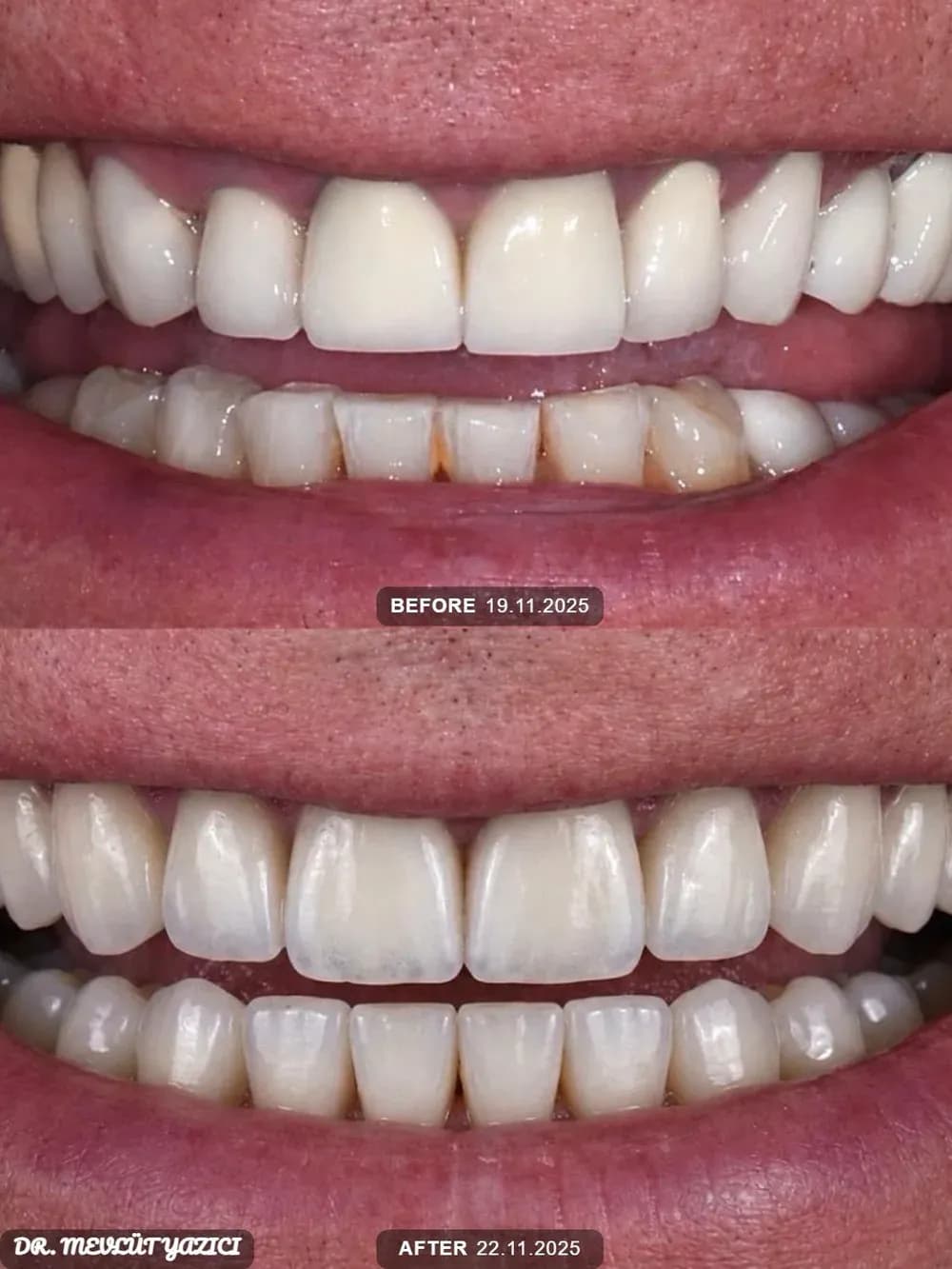
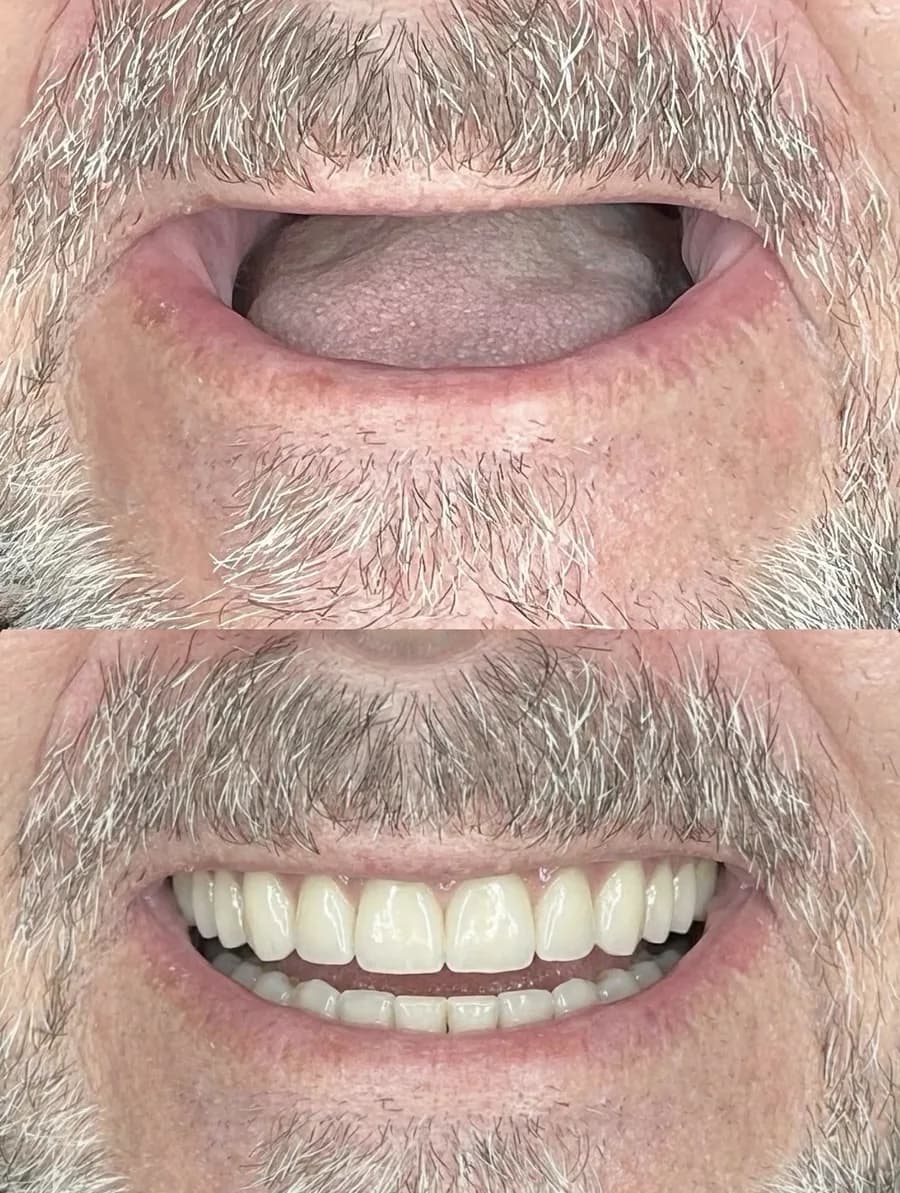
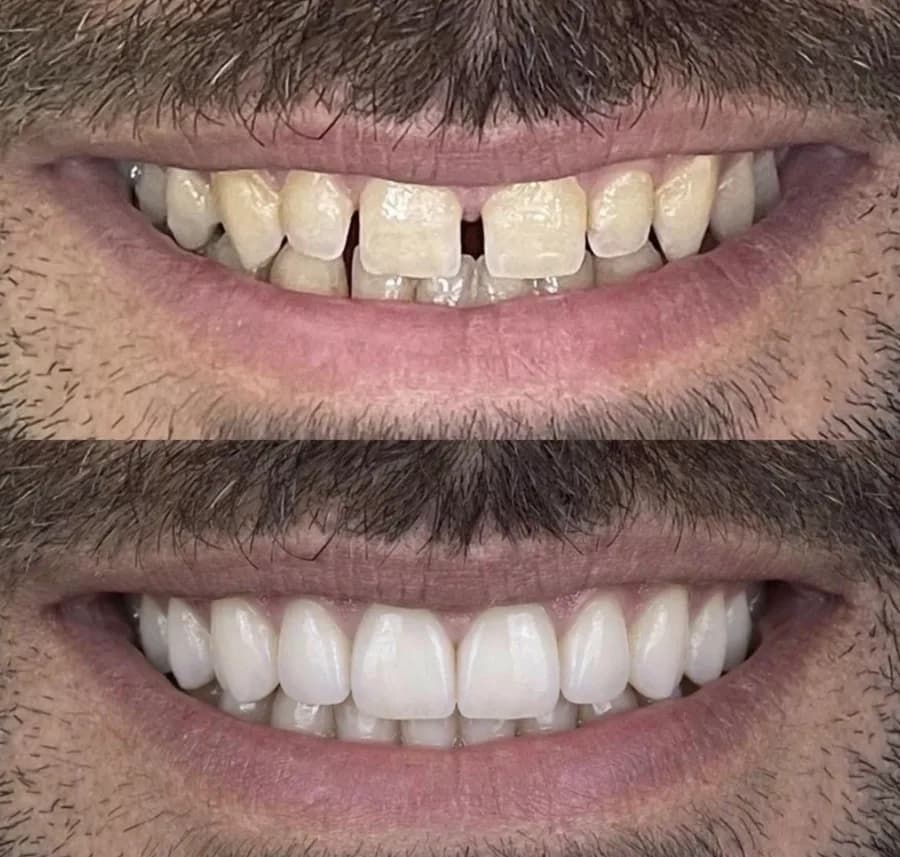
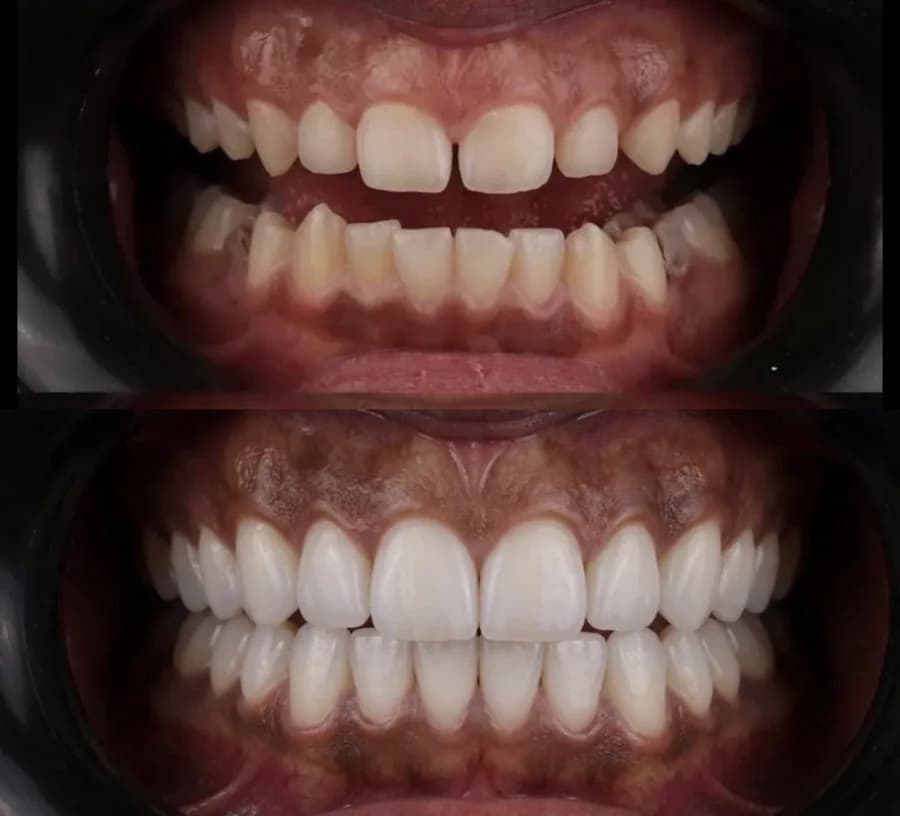
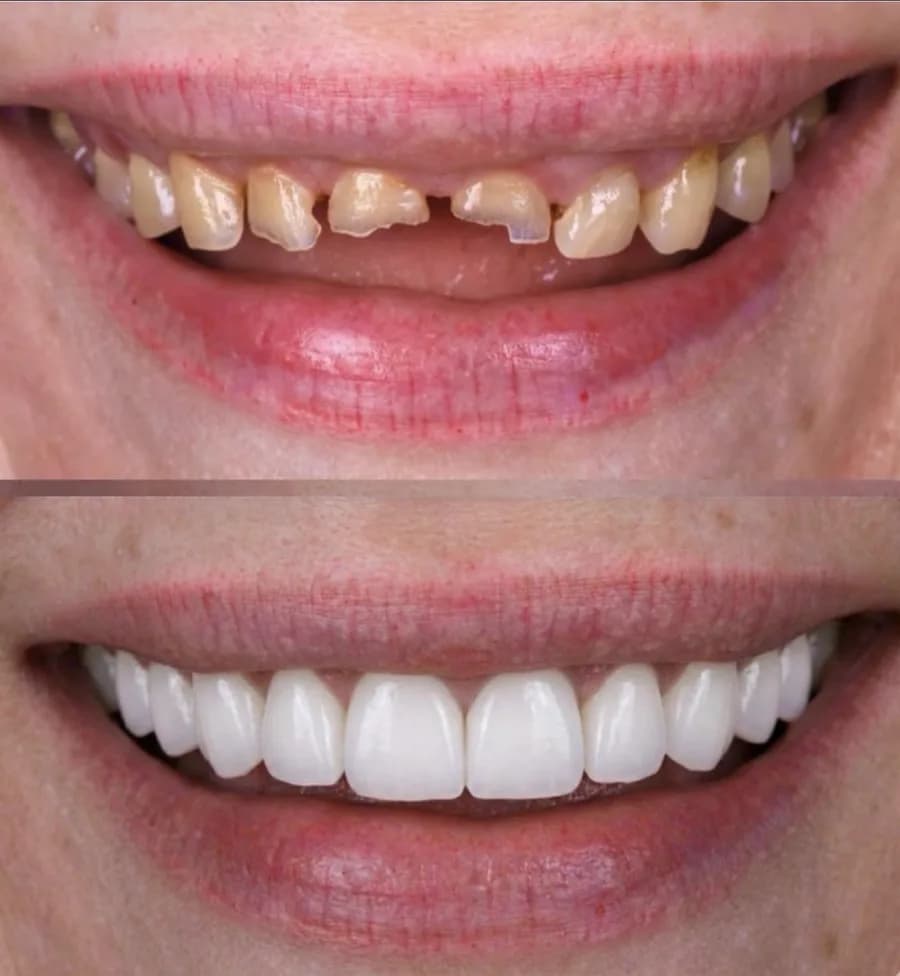
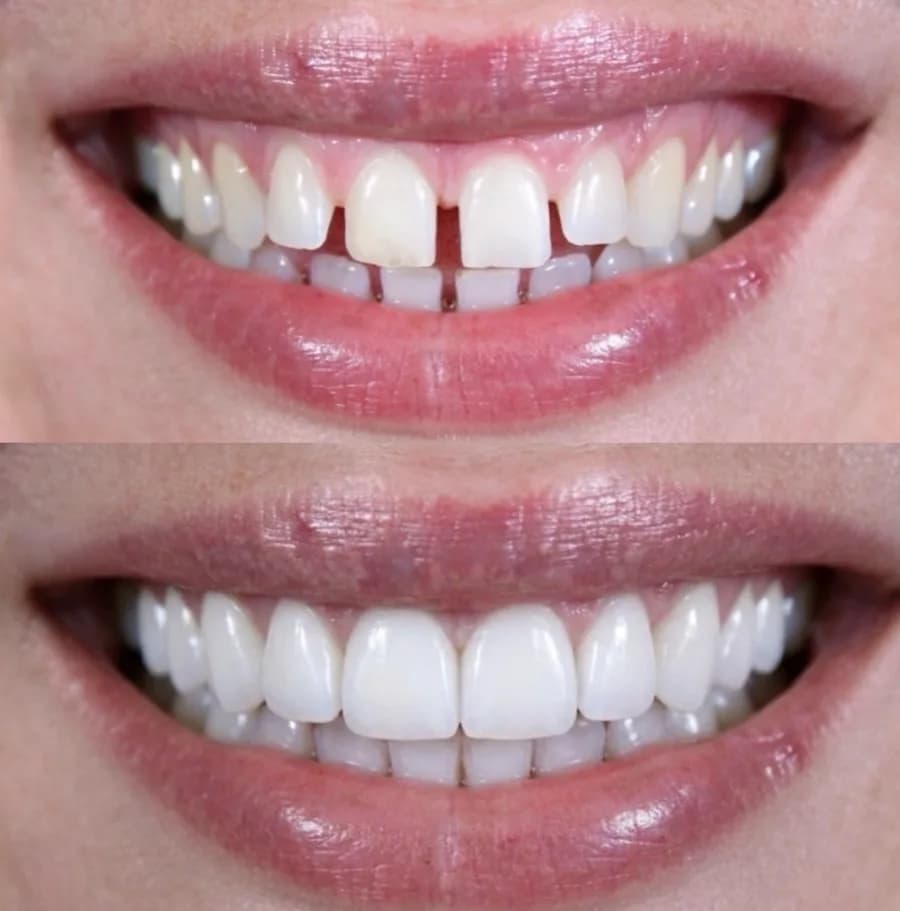
In every surgical or interventional procedure, results may vary from person to person. It is recommended that you obtain detailed advice from your dentist before the procedure.
All images are shared with the explicit consent of our patients.
See all resultsFrequently Asked Questions
The two methods are suitable for different clinical conditions; neither is superior to the other. All-on-6 requires more bone volume. If the bone is sufficient, six implants distribute the chewing force over a wider area. If the bone is insufficient, six implants cannot be placed, and in this case All-on-4 or a plan involving a graft is considered. Which method is suitable is determined after an X-ray and clinical examination.
In suitable cases, a temporary fixed prosthesis can be fitted shortly after surgery. This depends on the initial anchorage value of the implants within the bone and may not be possible in every patient. The fitted prosthesis is temporary; the permanent prosthesis is prepared once fusion is complete.
Teeth clenching increases the load on the implants and the prosthesis. The way six implants distribute the force over a wider area is an option that can be considered in this respect. However, increasing only the number of implants is not sufficient; the use of a night guard is also recommended. In addition, the bone volume must be suitable for six implants.
Because the number of implants is higher, the surgery takes longer than for All-on-4. The exact duration varies according to whether extractions are performed and the bone condition.
Because the surgical area is larger, the swelling may be slightly more pronounced. Apart from this, the healing process and dietary rules are the same: a soft diet usually lasts 6–8 weeks, and fusion is completed in 3–6 months.
The prosthesis is screwed onto the implants and cannot be removed by the patient. Cleaning is done with an oral irrigator (water jet) and interdental brushes. In six-implant systems the surface that needs to be cleaned is larger; maintenance therefore becomes even more important. A dentist check-up and professional cleaning every six months are recommended.
The usage period depends on oral care, gum health, chewing habits and regular check-ups. A definite duration cannot be guaranteed.
Related treatments
The content on this site is for information only and does not replace a clinical examination. The suitability, duration and scope of treatment are determined after a clinical assessment.
This content was prepared by Dt. Mevlüt Yazıcı.
Request an appointment.
Fill in the form to request an appointment and we'll get back to you shortly. You can also call us directly or message us on WhatsApp.
Altes Diş Kliniği
Altunizade, Üsküdar, İstanbul
- PHONE+90 533 474 43 94
- EMAIL[email protected]
- ADDRESSAlperen İş Merkezi, Valide-i Atik Mahallesi, Altunizade, Nuhkuyusu Cd D:191/B, 34664 Üsküdar/İstanbul
- WORKING HOURSWeekdays 10:00–19:00 · Saturday 10:00–16:00 · Sunday closed